Waterfalls
Cascading water adds soothing sound and visual interest, and we build natural-looking waterfalls with stone, proper pumps, and careful plumbing that create a peaceful focal point in your landscape.

Service guide / San Diego
Plan a water feature in San Diego: fountains, waterfalls and ponds, pumps, reservoirs, water use, maintenance and how to place them in a yard.
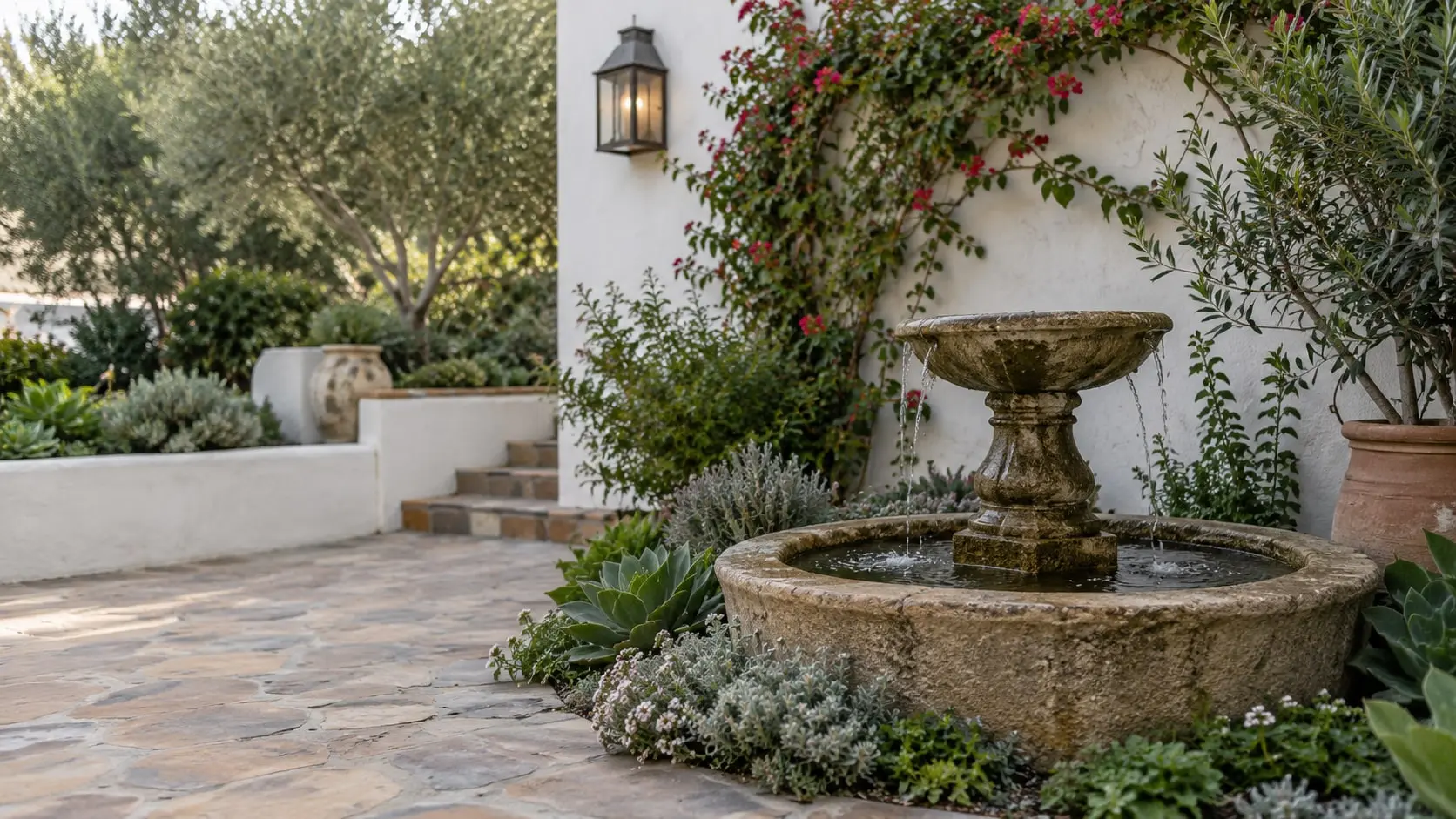
Water features and fountains in San Diego add sound, movement, and tranquility that make your yard feel like a peaceful escape.
We design and install custom waterfalls, ponds, fountains, bubbling rocks, and wall features in styles ranging from natural and rustic to sleek and modern. The gentle sound of flowing water masks street noise, attracts birds, and creates a calming focal point you can enjoy from your patio or windows. Our team handles excavation, plumbing, pumps, filtration, lighting, and finishing, and we design each feature to be efficient and easy to maintain. Recirculating systems use minimal water, which is important in our dry climate. Every installation is built with quality materials and careful craftsmanship. We can also add underwater lighting for beautiful nighttime effects. Contact us today to discuss your ideas and request a water feature estimate in San Diego.
Cascading water adds soothing sound and visual interest, and we build natural-looking waterfalls with stone, proper pumps, and careful plumbing that create a peaceful focal point in your landscape.
From classic tiered fountains to modern wall designs, we install elegant water features that fit your space, bring gentle movement and sound, and enhance the mood of your yard.
Add a naturally flowing stream or small pond with stone edges and plantings, creating a tranquil habitat that attracts birds and adds lifelike beauty to your retreat.
Compact, low-maintenance features like bubbling rocks and urns suit small yards and patios, offering the sound of water without a large footprint or any complicated upkeep.
Quality recirculating pumps and filtration keep water clear and moving efficiently, using minimal water and electricity while reducing maintenance, which suits San Diego’s dry climate and needs.
Underwater and accent lighting highlight your water feature at night, while surrounding plants and stone blend it into the landscape, creating a natural look day and night.
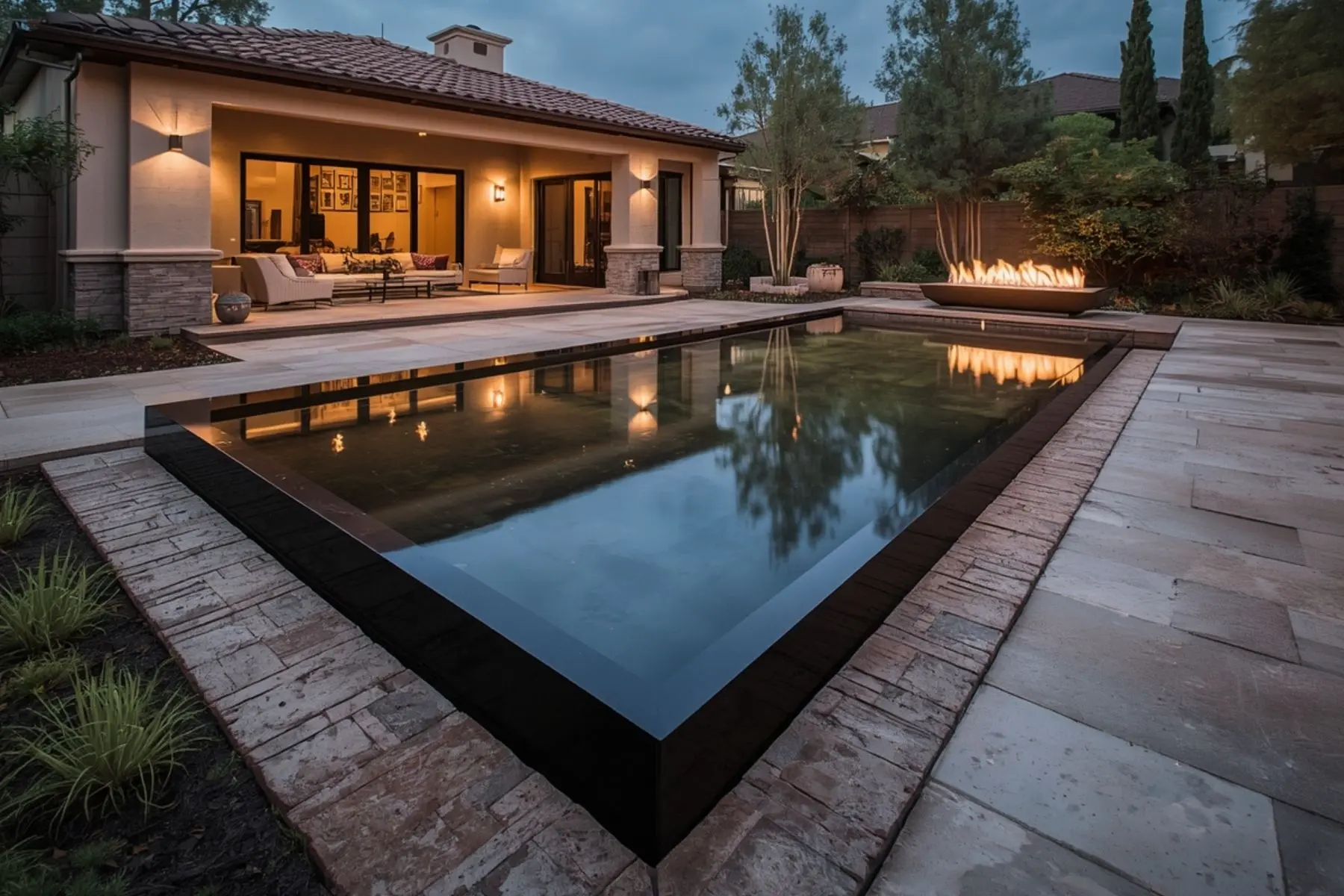
Water features run from a wall fountain beside an entry to a spa spillway, a cascading rock waterfall or a pondless stream. The right type depends on the space available, how much sound you want and whether you want to see standing water.
Pondless designs hide water underground with a basin of stone on top, so there is no open pool to worry about.
Decide height, sound and style so the basin size and pump flow can be matched to the look.
Electrical supply must be run and inspected by qualified trade professionals under local rules, with ground-fault protection near water.
A level compacted base, plus liner or waterproof shell, holds water and keeps the structure from settling.
A submersible pump sits in a reservoir with a screen, and a float valve tops it up as water evaporates.
Stone, boulders or a sculpted fountain are stacked and sealed so water flows where you intend.
Flow is tuned to prevent splash, and the water level is set for the first weeks of evaporation.
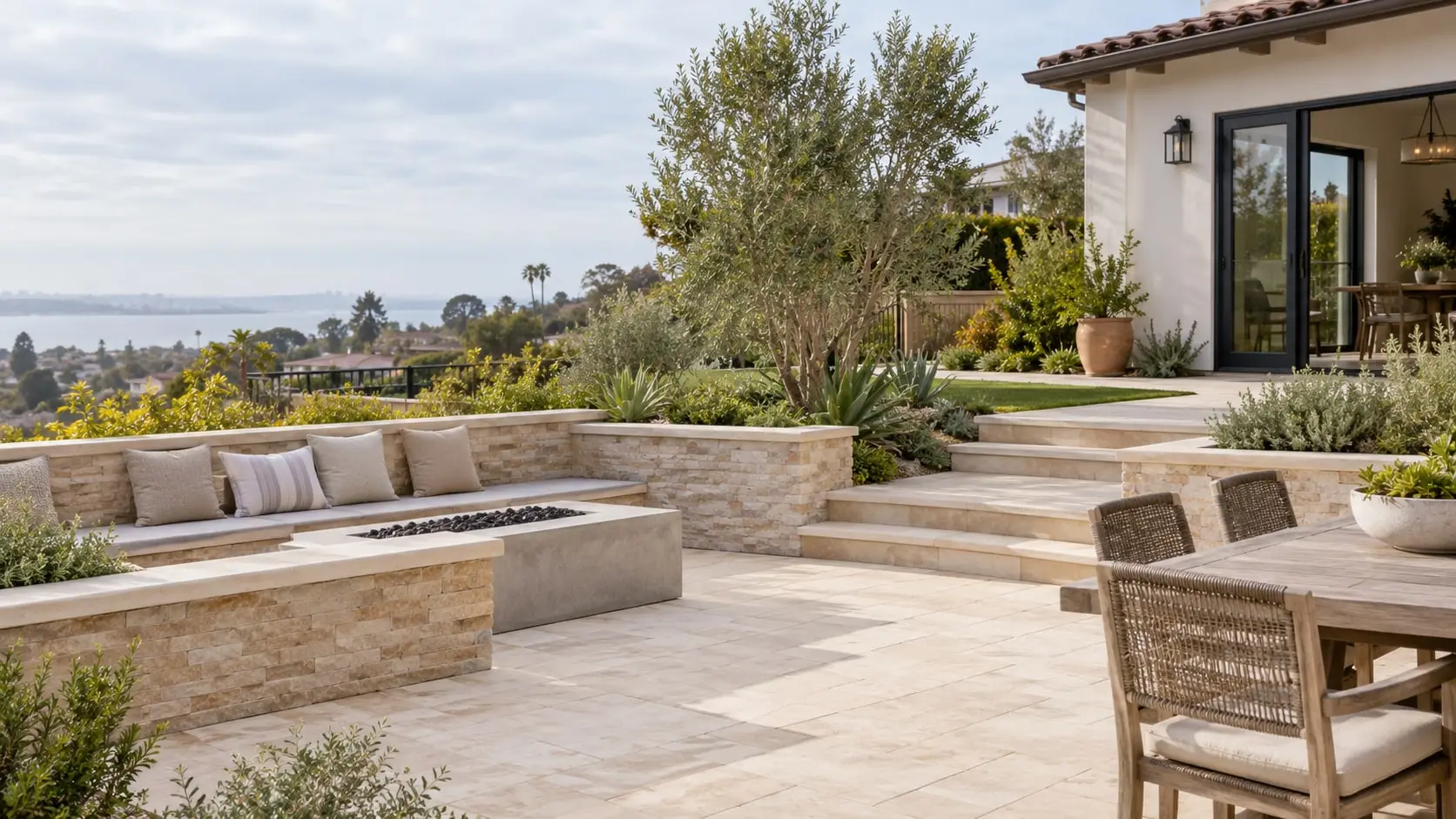
A water feature's character comes from what holds the water and what the water runs over.
Boulders and slate give a natural look but need careful sealing against leaks.
Pre-formed fountains and glazed vessels are simple to place and easy to wipe clean.
Custom-shaped basins and walls can be clad in stone, tile or stucco to match the house.
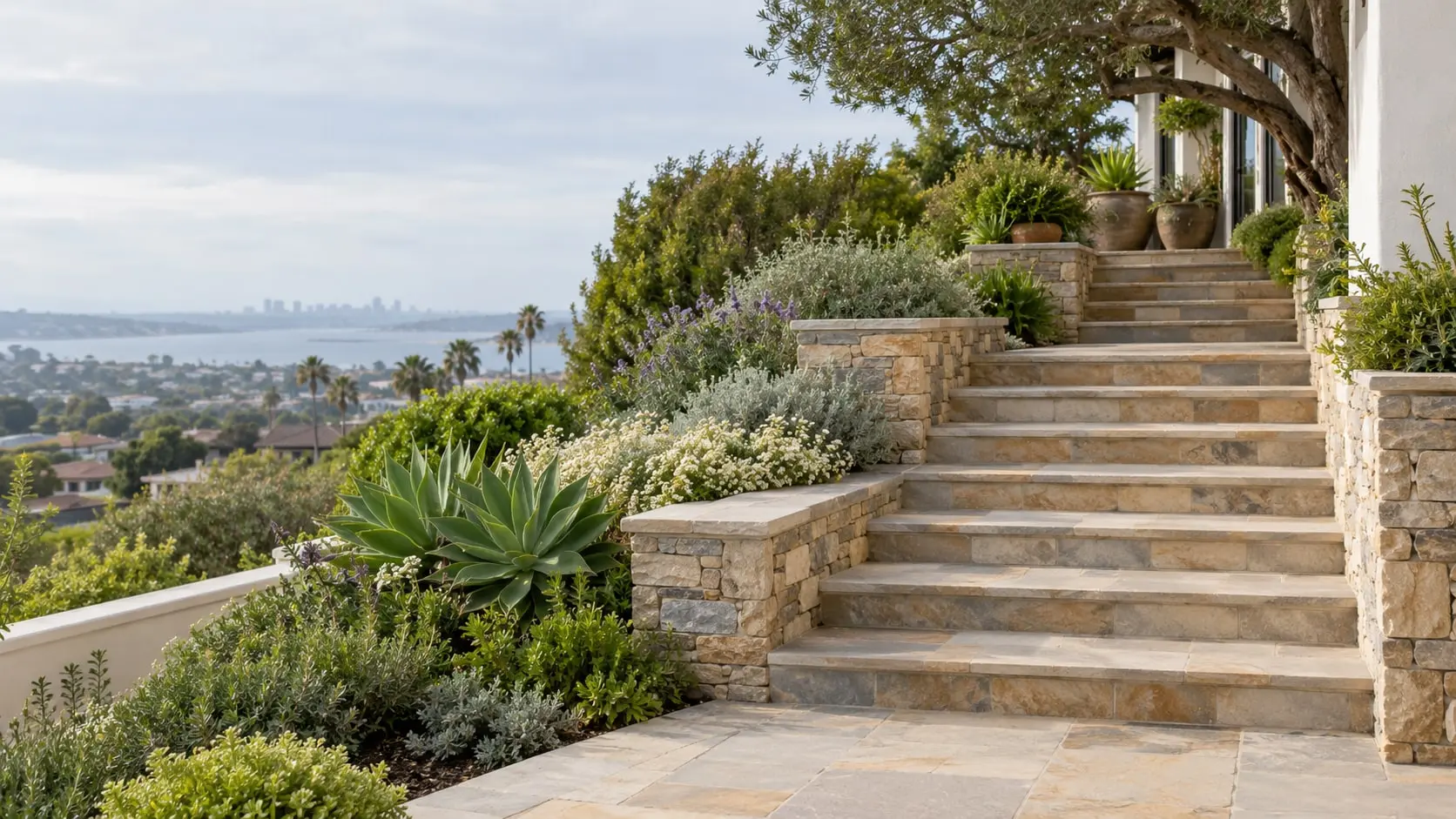

Choose a spot where the sound will be heard but not drowned out by traffic, and where leaves, turf clippings and irrigation overspray will not feed the water.
Call 811 before digging, and ask your city whether a pond of a certain depth or a pool-like feature triggers fencing or approvals. Electrical work should be handled by qualified professionals.
Heat, wind and splash push evaporation well beyond what most people expect. A float valve and a properly sized basin cut the daily topping-up, and a leak test separates evaporation from a real leak.
Sun and nutrients feed algae. Shade, a skimmer or filter, and regular partial water changes keep it under control, with algae-safe treatments where wildlife or plants are involved.
Drop height and spillway width drive the sound. A gentle trickle suits a patio; a taller cascade suits a larger yard.
Standing water can, so keep water moving, avoid stagnant corners and consider circulation or approved larvicides in still ponds.
Recirculating features generally lose only evaporated water, but check local water-agency guidance, which can change during dry periods.
Leaf debris and mineral buildup are the usual cause of weak flow or a burned-out pump.
A float valve helps, but a quick visual check in hot weather keeps the pump from running dry.
San Diego's hard water leaves white deposits on stone and glass, removed with a soft brush and a mild, stone-safe cleaner.
Look for damp ground or slow level loss that suggests a failed seam.
Test the ground-fault outlet periodically, and have any wiring concerns handled by a qualified electrician.
Clarity before you begin
Most recirculating features lose water only through evaporation and splash. Size, sun and wind change that amount, and a float valve keeps the level steady between top-ups.
Small fountains rarely do, but deeper ponds, electrical work and large structures may. Check with your city or county building department, and with your HOA where applicable.
It has no open standing water to fall into, which is why many families with children or pets choose it. The water sits beneath a layer of stone in a buried reservoir.
Yes. A wall fountain or a small basin can fill a courtyard with sound without using much floor space.
Size, materials, excavation, the pump and filtration system, power and plumbing runs, lighting and the stonework around it.